Fractional Operations Partner for founders who are ready to stop carrying the operational layer themselves.

The business keeps moving. You stop carrying all of it.

I work with founders who are the default owner of too much — every decision that needs approval, every priority without someone driving it, every initiative that moves only when they push. I step in and own the operational work. You get back your focus, your capacity, and your ability to lead the business instead of run it.

"The thing I keep seeing isn't broken systems. It's unowned work."

Every initiative, decision, and follow-up eventually comes back to the founder — not because they want to own all of it, but because no one else has stepped in to.

Sometimes that shows up as friction — meetings that circle, execution that stalls, priorities without anyone driving them. Sometimes nothing is obviously broken. The business is growing. Clients are happy. Revenue is moving. The problem is simply that growth brought more than one person can own.

Either way, what founders are looking for is the same: someone to own the operational layer so they can focus on leading the business instead of running it.

If this sounds familiar —

Leadership meetings keep ending with the same conversations.

Your team waits for answers only you can provide.

You don't know a project is off track until someone misses a deadline.

Everyone is busy. Nobody is completely sure what is getting finished.

You have a plan. Nobody is owning execution.

There's no crisis. There's just more work than one person should have to own.

I got into operations because I was good at it before I had a name for what I was doing.

My name is Brooke Anthony. Watching a chaotic business become one that operates clearly — that genuinely interests me. Most people want to skip straight to the growth conversation. I want to understand why the same three things keep breaking before any of that can happen.

I've spent the last 10 years working inside agencies, startups, and service businesses. Not advising from the outside. In the room. Owning operations, finance, HR, compliance, reporting, and strategic execution across organizations at very different stages of growth.

The pattern I keep seeing: a founder who is smart, capable, and carrying far more than they should be — owning decisions that should have been delegated, following up on things that should have someone else driving them, holding together a business that has quietly grown past what one person can own. Not because they want to carry all of it. Because no one has stepped in to own it alongside them.

This is the work I know. It's also the work I want to do.
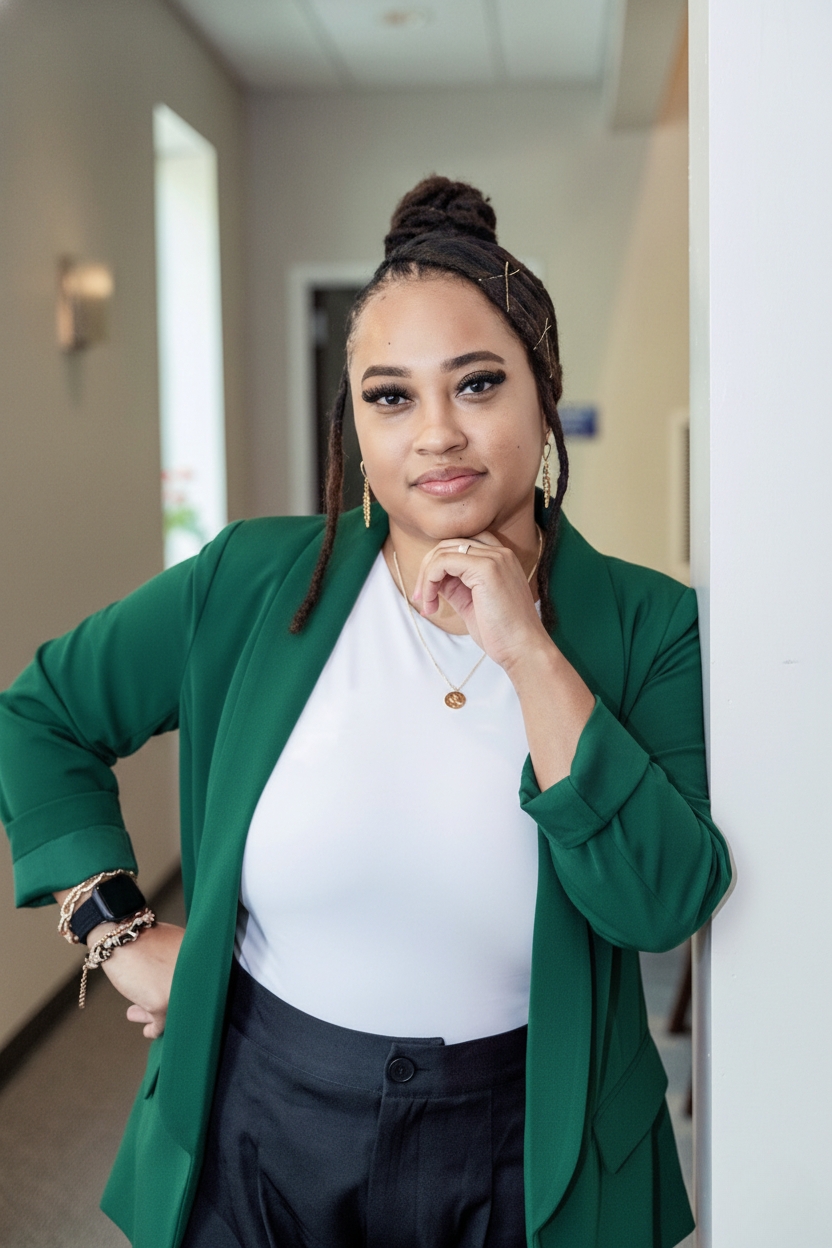
Brooke Anthony

What becomes possible when someone else owns the operational layer.

When the operational layer is owned, founders get to spend more time building what's next instead of managing what's already on their plate.

You find out a project is off track when someone misses a deadline.

You hear about problems early — when they're still fixable, not after a client already has.

Your team waits for you to make decisions that should have been delegated months ago.

The team moves. You're not the last step before anything can happen.

Leadership meetings end with the same conversations.

Meetings end with decisions and owners. The same conversation doesn't circle back next week.

Nobody owns execution — so it eventually lands back on you.

Someone you trust is driving execution. You focus on leading the business.

Growth adds more to carry without adding more capacity.

The business keeps moving. You stop being the engine that drives all of it.

What actually comes off your plate.

When founders ask what I do day-to-day, this is the honest answer.

Priority management

Owning what's on the list, what moves next, and what needs someone's attention before it stalls.

Execution follow-through

Driving initiatives from decision to done. Not tracking — pushing. Following up so you don't have to.

Leadership reporting

Making sure you have the visibility you need — on finances, delivery, and team performance — without having to go find it.

Client delivery oversight

Knowing where delivery stands before clients do. Managing the operational side of client relationships so problems surface early.

Team operating rhythms

Running meetings, managing agendas, and making sure the right conversations happen — and produce decisions.

Hiring and role clarity

Scoping roles, writing job descriptions, and setting new people up to succeed without requiring your constant involvement.

Financial operations

Keeping P&L, receivables, and reporting current and visible so you always know where the business actually stands.

Cross-team coordination

Managing handoffs, communication, and alignment across people and functions so things don't fall through the cracks between roles.

Three ways to engage.

Every engagement starts with a real conversation about what's happening in your business. If you're not sure what you need, the Diagnostic is usually the right first move.

01

Operations Diagnostic

Assessment · 2–3 Weeks

Leave with a clear picture of what to change — and confidence about where to start.

A structured review of how your business is actually operating — the gaps, the blockers, where ownership breaks down, and what's creating drag. You leave with a clear picture of what to address first and why. Most founders find it clarifying in ways they weren't expecting.

03

Fractional Operations Partnership

Retainer · Ongoing

I own the operational layer — so you don't have to carry it alone.

I work as an embedded partner who takes real ownership of the work — managing priorities, driving initiatives forward, and following through on execution. When something is about to slip, I own catching it. When a decision needs to be made, I'm in the room. You stay focused on leadership. I own the rest.

What it actually looks like when this goes right.

What people say

Featured work

PR Agency · Operations + Receivables

The agency had been growing. Nobody had noticed a client hadn't paid in six months.

When I came in, $100K in receivables was sitting uncollected. No collections process. No executive reporting. No visibility into what was happening across client delivery, team utilization, or project health. I recovered the outstanding revenue, rebuilt the operational infrastructure, and created the dashboards leadership needed to actually run the business. Revenue grew by approximately $500K during the engagement.

Read the full story

Consulting Business · Founder Dependency

Everything the business needed to run lived in one person's head.

The founder had built a successful business on expertise and relationships. But every process, every client detail, every operational decision ran through them. There was no documentation, no repeatable workflow, no way for anyone else to carry it. When I mapped how the business actually worked and moved that knowledge out of memory and into systems, the founder gained something they hadn't had in years: capacity.

Read the full story

Whether something is breaking down or you're just carrying too much — let's talk.

Some founders come to me because something has stopped working. Others come because the business is growing and they need someone to own the operational layer so they don't have to carry all of it. Both are the right reasons. That's where I start.

Questions before booking? Email me at hello@brookeanthony.co